
Can You Trust Your Mortgage Preapproval When You're Out Shopping for Homes? Quick Summary: A…
Why Is My Credit Score Different Than Credit Karma?
Quick Summary
Credit Karma shows a VantageScore built from two credit bureaus. Mortgage lenders pull FICO scores from all three bureaus and use the middle one. The two models weigh your credit differently, so your mortgage score is often lower than the number you see in the app.
Checking your credit score is a crucial step in preparing to buy a home. Many people turn to free services like Credit Karma for a quick review of their credit scores. But when it comes time to apply for a mortgage, they’re often surprised: the credit score their lender sees is different, and sometimes lower, than what Credit Karma showed.
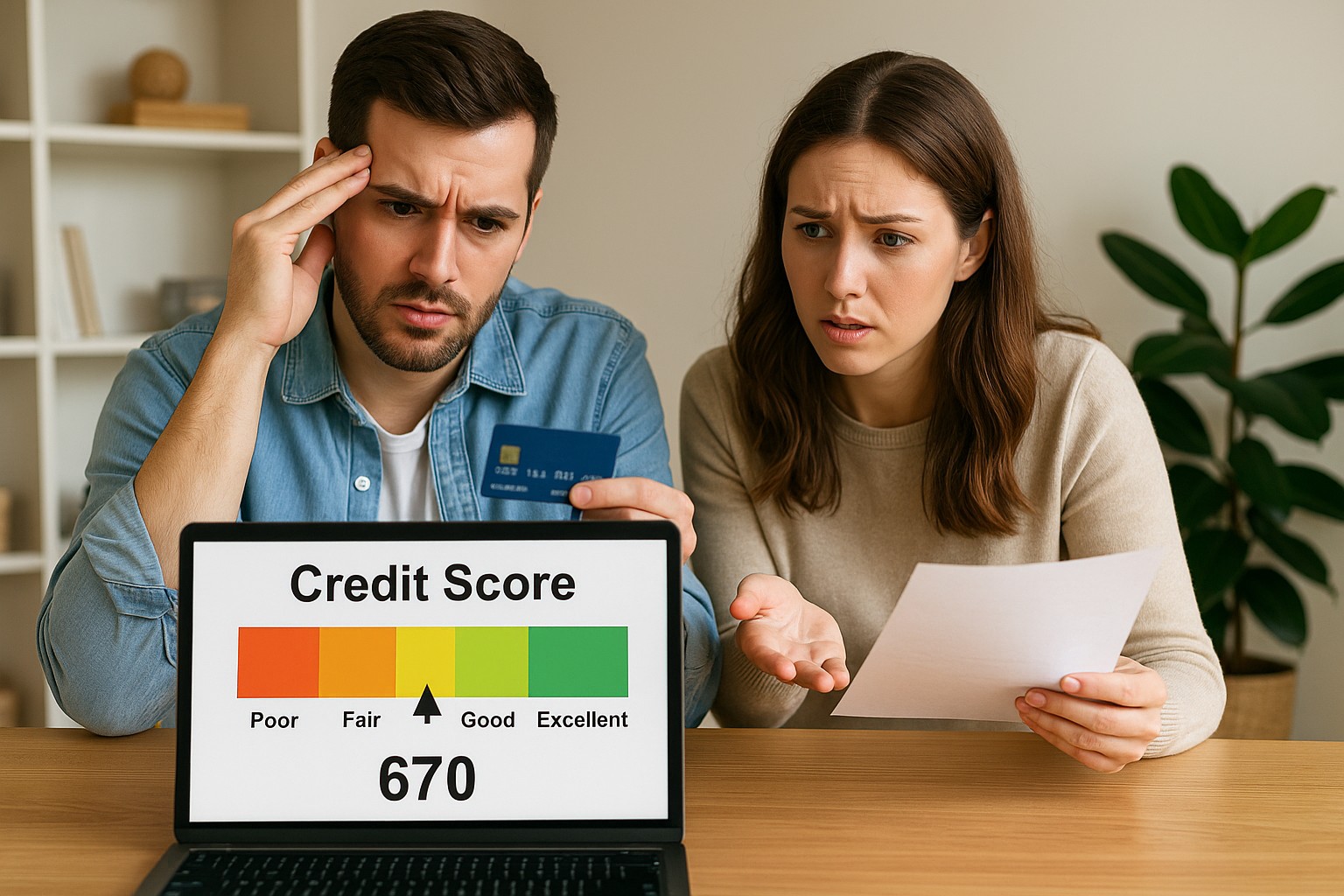
If you’ve asked, “Why is my credit score different than Credit Karma?” you’re not alone. Here’s what every homebuyer needs to know.
Credit Karma Uses a Different Scoring Model
Credit Karma typically uses the VantageScore model. In contrast, most mortgage lenders rely on FICO scores, especially the mortgage-specific versions FICO 2, 4, and 5.
While both scoring systems consider similar factors, such as payment history and credit utilization, they calculate your score differently. That means your score can vary significantly between platforms.
Bottom line: A Credit Karma score can give you a general sense of your credit health, but it’s not the score a mortgage lender will use to approve your loan.
Timing and Data Differences
Credit scores reflect your credit report at a specific moment. Credit Karma pulls from TransUnion and Equifax, which may not reflect the most recent changes.
Mortgage lenders, however, pull a tri-merge credit report that includes data from all three bureaus: TransUnion, Equifax, and Experian. They typically use the middle score to determine loan eligibility. If two people apply together, the lender uses the lower of the two middle scores.
If you recently paid off debt, opened an account, or changed your credit limits, your Credit Karma data may be outdated compared to what your lender sees.
Credit Karma Is for Education, Not Mortgage Approval
Credit Karma is a helpful tool for monitoring trends, but it isn’t designed for major financial decisions like buying a home. It’s ideal for learning about credit, but not for assessing mortgage readiness.
If you’re serious about purchasing a home, your best move is to start a full mortgage pre-approval. This gives you a complete picture of your actual credit standing based on FICO scores.
How Big a Difference Is Normal?
It’s common to see a gap of 20 points or more between your Credit Karma score and what your lender reports. The gap can be wider if your credit file is thin or has recent changes.
This difference could affect your eligibility, interest rate, and even which loan programs are available to you.
Related: Credit score requirements for VA loans.
What You Should Do Next
If you’re planning to buy a home soon, follow these steps:
- Get pre-approved early to avoid surprises later.
- Work with a mortgage lender who can review and explain your credit report.
- Use Credit Karma for monitoring only, not as a decision-making tool.
- Ask questions and get a personalized credit improvement plan if needed. See how to build credit to buy a home.
Frequently Asked Questions
Is my Credit Karma score my real credit score?
It’s a real score, but it’s not the one your mortgage lender uses. Credit Karma shows a VantageScore, which is built for general credit monitoring and everyday lending decisions. Mortgage lenders pull FICO scores designed specifically for home lending. Both use your credit report, but they weigh the data differently, so the numbers often don’t match. Use Credit Karma to watch trends, not to predict your mortgage approval.
Why is my Credit Karma score higher than my mortgage score?
This is the most common scenario, and it catches many buyers off guard. The VantageScore model Credit Karma uses tends to run higher than the FICO mortgage scores lenders rely on. A higher Credit Karma number doesn’t mean anything is wrong with your credit. It just means the score your lender qualifies you with may be lower than what you’re used to seeing. A gap of 20 points or more is common, and it can be wider if your credit file is thin or has recent activity.
Does a mortgage lender pulling my credit hurt my score?
Very little, and the benefit outweighs the cost. A single mortgage inquiry usually affects your score by fewer than five points and recovers quickly. FICO’s scoring models also protect rate shoppers: multiple mortgage inquiries within a set window, generally 14 to 45 days depending on the FICO version, count as one inquiry, not several. Not knowing your true mortgage score before you shop is a far bigger risk than the inquiry itself.
Final Thoughts
Credit Karma is a useful tool for tracking credit trends, but when you’re preparing for one of the biggest purchases of your life, you need the scores your lender will use.
Want to know your real mortgage score? I’ll pull it and walk you through it. Call 219-695-0369 or text me at 219-758-8072.

Related Posts