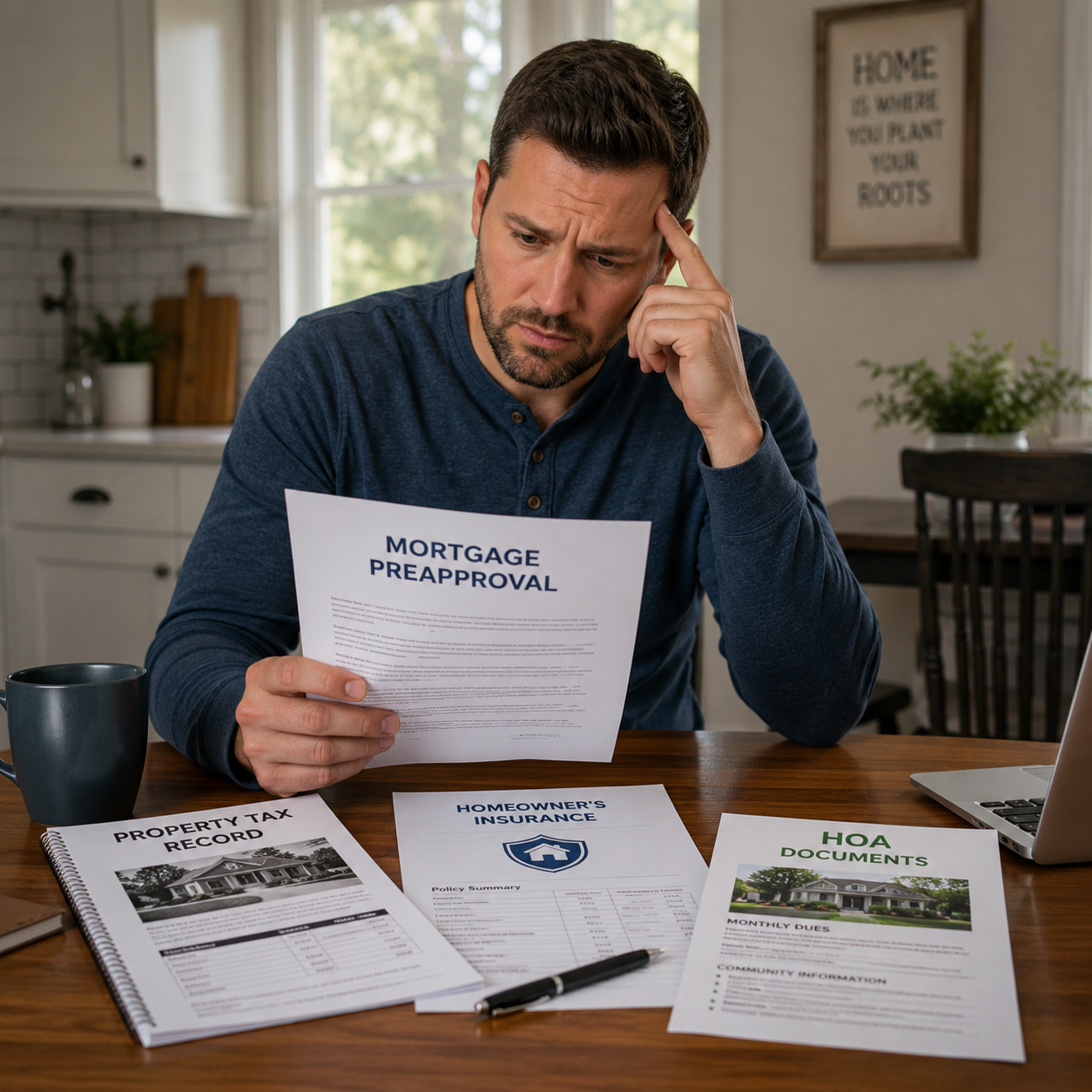
Can You Trust Your Mortgage Preapproval When You're Out Shopping for Homes? Quick Summary: A…
How to Build Credit to Buy a Home
How to Build Credit to Buy a Home: Steps to Improve Your Score Fast
Wondering how to build credit to buy a house? The steps are simple but powerful: check your reports, fix errors, pay on time, lower balances, and avoid new accounts. Use gift funds correctly, and you can improve your credit fast and buy with confidence. We’re here to answer your questions along the way.
Strong credit makes buying a home easier and more affordable. If you’ve been searching for how to build credit to buy a home or how to build credit fast to buy a house, the good news is you can take real steps today. Here’s the no-nonsense plan to get your score in shape before you apply for a mortgage.

What should you do first to build credit for a mortgage?
Start with free reports from each bureau at AnnualCreditReport.com.
Mistakes can cost you points. Dispute wrong late payments or balances, and follow up until they are fixed. Keep copies of everything you submit and receive.
How do on-time payments affect your score?
Payment history is the most significant factor in most credit scores. Set auto-pay for minimums, add calendar reminders, and bring overdue accounts current. Late marks can remain for up to seven years, so prevention matters most.
How low should your credit card balances be?
Aim to keep your revolving utilization under 30% overall and on each card — and under 10% if you want the best shot at top-tier terms. Make an extra mid-cycle payment so the statement cuts at a lower balance, and pause new charges while you prepare to buy.
Should you keep old accounts open?
Usually, yes. Long account history helps your score, and closing cards can raise your utilization by shrinking your available credit. If a card has a steep annual fee you don’t use, talk to the issuer about a no-fee product change instead of closing it.
Is it smart to open new accounts before buying a home?
No. Each new account can add a hard inquiry and shorten your average credit age. Hold off on new credit until after you close on your home.
What are safe ways to build credit without risk?
- Authorized user: Being added to a trusted family member’s well-managed card can help.
- Secured card: Use it lightly and pay in full monthly to build a positive history.
- Be cautious with “credit counseling” or settlement programs: Some negotiate reduced payoffs or ask you to stop paying creditors, which can harm scores. If you need guidance, consider a reputable nonprofit and/or work directly with your creditors. See the
CFPB’s advice on credit reports and scores.
Why talk to a trusted lender early?
The best move is building a relationship with one lender you trust. Reach out to us early, and we’ll review your profile, help you understand your eligibility, and give you a clear plan to move forward with confidence.
What’s the difference between pre-qualification and pre-approval?
Pre-qualification is a quick estimate based on what you share. Pre-approval is a deeper review with documents and a hard credit pull. Sellers take pre-approval more seriously, and it helps you write a stronger offer.
Can you use gift money the right way?
Yes. Many programs allow properly documented gifts from family. You’ll need a signed gift letter and a paper trail showing the funds aren’t a loan. Tell us early so we can prepare the correct documentation.
What simple 90-day tune-up plan actually works?
- Week 1: Pull all three reports, list errors, start disputes, and set up auto-pay.
- Weeks 2–4: Pay down cards over 30% utilization; make a mid-cycle payment.
- Month 2: Avoid new accounts; keep spending steady; verify dispute outcomes.
- Month 3: Gather income/asset docs; confirm gift documentation if applicable; talk with us so you’re ready to move.
Need help improving your credit before buying? We’re here to guide you. Call 219-695-0369, message us, or reach out online.
Ready to take the next step?
Get prequalified here.
If you serve our community or country, thank you. Explore our American Hero Rewards program. You can also visit our homepage
to learn more about how we serve Veterans, military families, and first responders.


Related Posts